How to Ruin a Restaurant - A Cautionary Tale

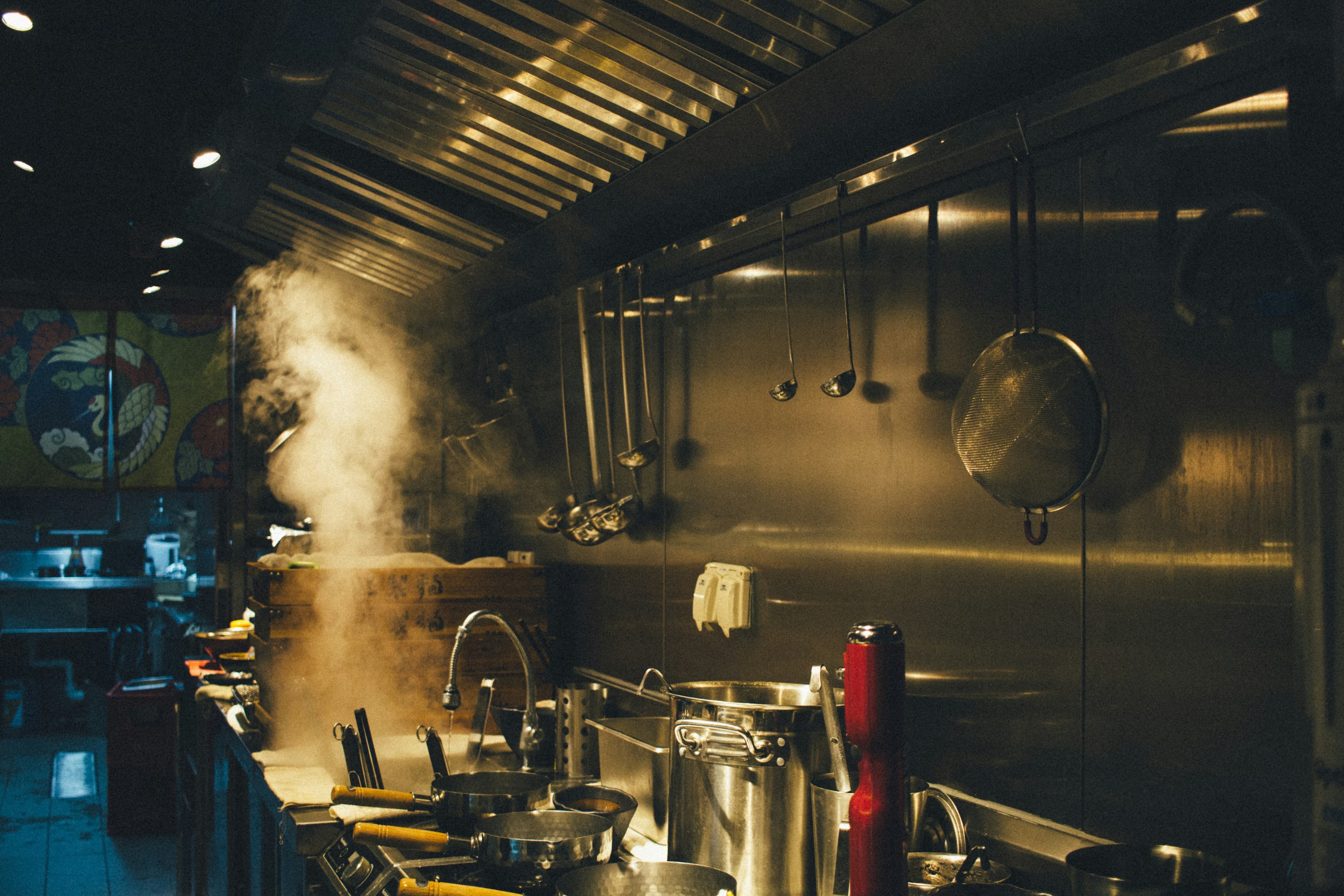
Act 1: Humble beginnings
This is the story of a small French restaurant in Zurich called Le Petit Projé. It was owned by Philippe (the former head chef), and was overall successful and popular in its part of town. It was always booked out on the weekends and even reasonably full during the week. Online reviews were overall great and plentiful, leading to a 4.5 rating with over 600 reviews. People specifically praised the good food, the quick service and the relaxed atmosphere. The head chef Thomas even made it a habit to greet and chat with every table at the end of the night, which was praised by many reviewers. Philippe himself ate there every once in a while and otherwise did not have much to do besides listening to his employees and solve the occasional issue.
Act 2: A New Direction
In 2024, Philippe decided to sell his restaurant and move back to France. His Friend Brad just retired from his project management job at a big insurance company and decided to buy the Le Petit Projé. Since it was Brad's ambition to take the business to the next level, he sprang into action immediately.
He hired an interior designer that redecorated the interior with modern furniture and a new lighting concept, and exchanged the staff with younger employees to match the vibe. His biggest change though was an extension of the menu. Since he read in a few of the negative comments that the guests complained about missing variety in the menu, he hired two more chefs for Peruvian and Asian Fusion cuisine.
Brad also decided that the old name matched neither the new direction nor his ambitions anymore, so the restaurant had to be renamed: Le Grand Projé.
Act 3: A Bitter Bite
For a few weeks, the new and bold direction worked well. Previous customers wanted to taste the new dishes and a more modern crowd was attracted by the contemporary vibe. But after three months, the reviews started to take a downturn. More and more people seemed to complain about bad service, underwhelming food and long waiting times.
Brad assumed this was due to a lack of discipline of the staff and decided what the restaurant needed was more oversight. He hired a new headwaiter to get things under control, and made sure to regularly meet with him to get insights. The headwaiter identified the main issue as the specialization of the chefs, where each chef would only be able to prepare their own tailored cuisine, leading to major inefficiencies when there was a skew in orders. To fix this issue, Brad hired a part-time restaurant manager and tasked him specifically with making sure the chefs would share their knowledge, so that ultimately every chef is able to prepare every dish.
A month later, the situation had not improved. The reviews were on a trajectory to well below 4 stars and to make things worse, the increased headcount and lower guest numbers started to take a toll on Brad's finances. Desperate for a 'quick solution, he called a task force meeting with the headwaiter and the restaurant manager, both of which tried to convince him to hire more kitchen staff to increase the throughput and introduce more cuisines.
Brad was obviously not happy with the suggestions. He began to doubt that more people would solve the issues and decided to call Philippe to understand how he navigated all these organizational issues when he was running Le Petit Projé. His answer left Brad even more puzzled: "I never really had to do much, the restaurant pretty much ran itself." Philippe suggested to talk to the head chef Thomas, since he knew most about the restaurant.
That same week Brad met up with Thomas for a wine. It took a few drinks until both were in the right headspace, but then Thomas started talking openly: Much to Brad's surprise, Thomas had a very different view on the problems in the restaurant. "The new table layout and dimmed lighting makes it super hard for the waiters to keep track of everything, and the chairs are super heavy". In addition, the restaurant manager made the head chefs come in early every day for training sessions, where they were sharing how to prepare all of the dishes, which took a toll on morale and sometimes even interfered with preparation. "We definitely do not need more kitchen staff.", he firmly stated, "we need less!". Thomas explained how the chefs would constantly clash with each other, the sous chefs would receive conflicting orders, and the kitchen would be overwhelmed with all the utensils for different cousines. That meeting left Brad slightly confused, but due to the lack of alternatives, he decided to follow Thomas' suggestion of less is more.
Act 4: Back to the Top
Not fully convinced but willing to take the risk, Brad let go the new restaurant manager, the headwaiter and one of the new chefs and renamed the restaurant to Le Projé. He gave Thomas a carte blanche to reorganize the menu as he would see fit. The revised menu was almost the same as during the golden times at Le Petit Projé, with a few rotating dishes thrown in for variety. The dining area would be slightly reorganized to cater better to the waiters and the lights were dimmed up. Thomas flourished in his new role, getting back to spreading the cozy atmosphere the restaurant was known for. The other employees were more contented as well, which somehow seemed to spread to satisfied customers. The ratings improved almost as quickly as they declined and most importantly, Brad did not have to invest much time into the retaurant and turned a decent profit again. He still visits the restaurant every Thursday for dinner and a drink with Thomas, where they often talk about the Grand Projé.
It makes you wonder how many other restaurants fail because they end up in a cycle of adding more.
Acknowledgements
Photo by Francisco Suarez on Unsplash